Understanding Batching Plants: The Powerhouses Behind Modern Construction
The construction industry has evolved dramatically over the past few decades. What once required hundreds of workers mixing materials by hand can now be accomplished with sophisticated machinery and fewer personnel.
At the heart of many modern construction projects lie batching plants, powerful systems that measure and combine raw materials to create consistent, high-quality concrete or asphalt mixtures at scale.
What Are Batching Plants?
Simply put, batching plants are automated systems that combine precise amounts of sand, gravel, cement, and water to produce concrete. They ensure each batch maintains the exact same proportions, creating a consistent product that meets specific strength and quality requirements.
Think of them as giant, highly precise mixing machines that eliminate human error from the concrete production process.
Types of Batching Plants You Should Know
-
Stationary Plants
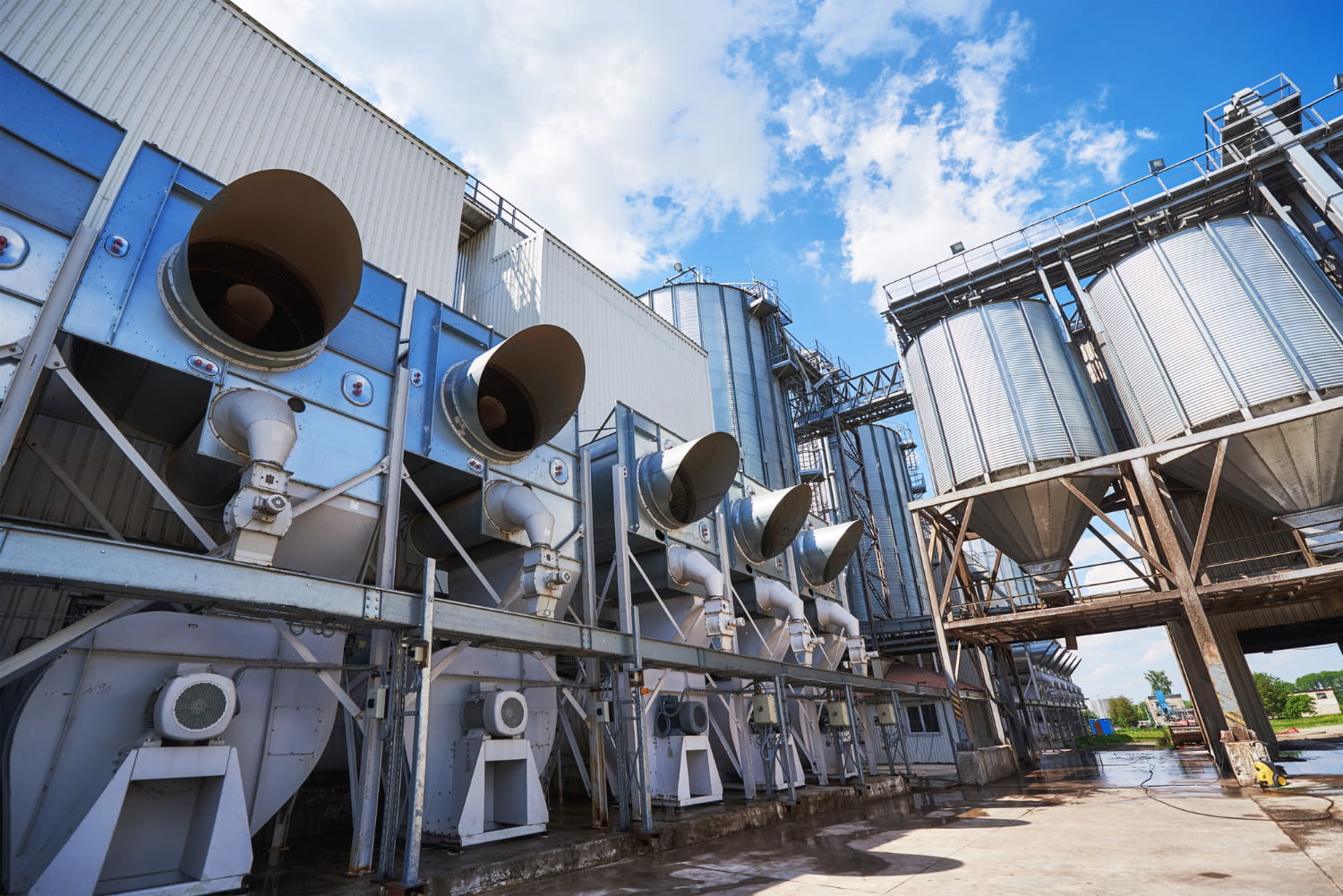
These permanent installations are built on solid foundations and designed to operate in one location for years. They’re ideal for precast concrete facilities, large-scale construction projects, or commercial concrete suppliers. Stationary plants typically have higher production capacities but lack mobility.
-
Mobile Plants
As the name suggests, these plants can be disassembled, transported, and reassembled at different sites. They’re perfect for road construction projects, temporary construction sites, or remote locations. While they typically produce less concrete per hour than stationary plants, their flexibility makes them invaluable for contractors working across multiple locations.
-
Compact Plants
Designed for smaller projects or urban environments with space limitations, compact plants offer reduced capacity but require minimal setup space. They’re increasingly popular for small to medium construction projects in densely populated areas.
Key Components That Make Them Work
Every batching plant contains several critical systems:
- Storage bins or silos for raw materials
- Weighing systems for precise measurement
- Conveyors for material transport
- Mixing unit where materials combine
- Control system (often computerized) to manage operations
- Discharge system for the finished concrete
Modern plants feature sophisticated computer controls that allow operators to adjust mixtures instantly and maintain detailed production records.
Benefits of Modern Batching Plants
Today’s batching plants offer significant advantages over older methods:
- Consistency: Every batch meets the same specifications
- Efficiency: Produce large volumes of concrete quickly
- Quality control: Computerized systems reduce human error
- Resource management: Precise measurements reduce waste
- Environmental benefits: Better dust control and material containment
These benefits translate directly to stronger structures, faster construction timelines, and more cost-effective projects.
Factors to Consider When Choosing a Plant
If you’re in the market for a batching plant, consider these key factors:
- Production capacity needed (cubic yards/meters per hour)
- Available space for installation
- Mobility requirements
- Local environmental regulations
- Budget constraints
- Automation level desired
- After-sales support and parts availability
The right plant for your needs balances these factors while meeting your specific project requirements.
Maintenance Tips for Longer Plant Life
Like any complex machinery, batching plants require regular maintenance:
- Daily cleaning of mixing drums and discharge points
- Weekly inspection of conveyor belts and weighing systems
- Monthly lubrication of moving parts
- Seasonal thorough inspection of all components
- Prompt replacement of worn parts before they cause larger issues
Proper maintenance not only extends equipment life but also prevents costly downtime during critical construction phases.
Final Words
By understanding the capabilities and requirements of modern batching plants, construction companies can maximize efficiency, maintain quality, and ultimately deliver better results on time and within budget.