How Tube Laser Cutting is Revolutionising the Metalworking Industry
In a sector that traditionally relied on time-consuming manual processes, tube laser cutting has introduced a level of precision and automation that is fundamentally reshaping how metal fabrication is approached. Whether used for structural frames, architectural components, or conveyor systems, this technology is not simply an upgrade; it’s a transformative shift in capability, design freedom, and production strategy.
From Manual Limitations to Digital Precision
Traditional metal cutting methods, sawing, drilling, or milling, were never optimised for speed or accuracy when dealing with tubular materials. Tube laser cutting eliminates multi-step workflows by combining cutting, notching, and even slotting in a single automated process. This efficiency enables fabricators to produce highly complex geometries with minimal labour input, accelerating project timelines without compromising accuracy.
Complex Geometries Made Practical
What was once difficult or uneconomical to manufacture is now routine. Tube laser cutting allows for complex contours, mitre cuts, and internal cut-outs directly into round, square, or rectangular tubes. Design engineers can now incorporate interlocking joints, self-fixturing tabs, or recessed channels into their designs, features that would be cost-prohibitive or impossible using traditional methods.
Minimising Waste, Maximising Output
Precision laser cutting drastically reduces material waste, as the nesting software used with these machines optimises every cut based on tube dimensions and material properties. This results in better yield from raw stock and more sustainable practices, an increasingly important consideration given rising steel prices and sustainability targets across the industry.
Fewer Parts, Faster Assembly
One of the less obvious yet powerful advantages of tube laser technology is the way it reduces part count in assemblies. Rather than welding multiple brackets or supports together, a single laser-cut tube can integrate multiple functions. This streamlined design results in faster, jig-free assembly processes and lower chances of misalignment or rework.
Data-Driven Fabrication
Tube laser systems are digitally integrated, offering real-time production data, remote diagnostics, and seamless compatibility with CAD/CAM platforms. As the industry shifts towards smart factories and Industry 4.0 protocols, tube laser cutting becomes a key enabler, bridging the gap between digital design and physical production.
Enabling Flexible Production for Diverse Sectors
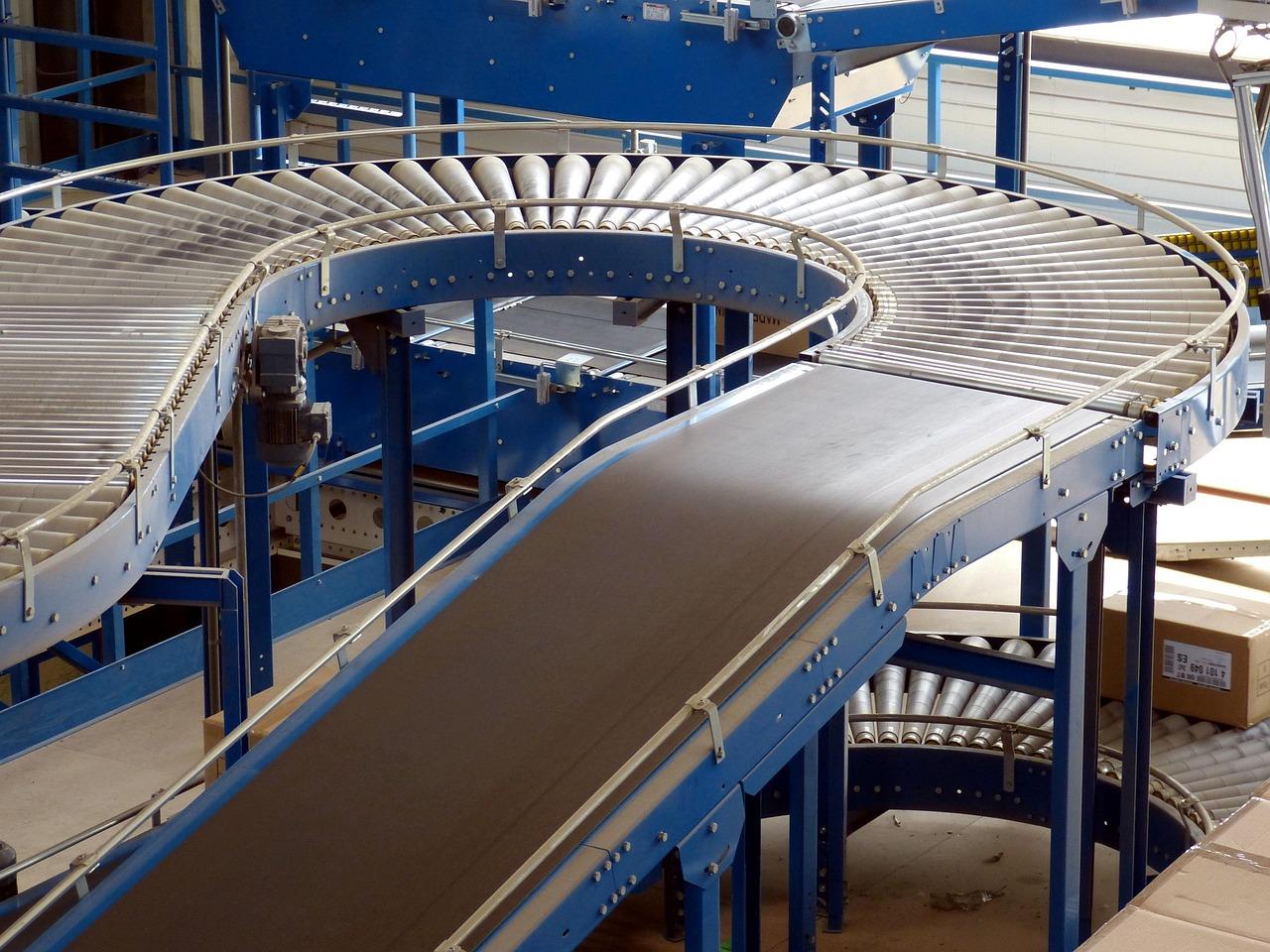
Whether you’re fabricating high-spec railing systems, agricultural machinery, or modular conveyor systems, tube laser cutting provides the agility to adapt to varied materials and batch sizes. This flexibility ensures manufacturers remain competitive even in markets demanding customisation and quick turnaround.
As precision, efficiency, and digital integration become the pillars of modern fabrication, tube laser cutting is emerging as a core technology. For industries reliant on structural tubing, from automotive to materials handling, its integration is no longer optional but essential for competing in a smarter, leaner manufacturing world.