The Complete Guide to Aerial Work Platform Safety and Scissor Lift Selection
Working at height presents unique challenges across facility maintenance, interior finishing, electrical installations, and construction projects. While ladders and scaffolding have traditionally served elevated work needs, mobile elevating work platforms offer a far safer, more stable, and more efficient surface for elevated tasks. Selecting the right lift mechanism requires balancing several core factors, including maximum working height, weight capacity, terrain conditions, and power sources. Miscalculating any of these variables can cause unnecessary work delays, create severe safety risks, or result in equipment that simply cannot access the targeted work zone.
Evaluating operational demands against machine specs is essential before deploying any aerial equipment to a jobsite. When analyzing platform dimensions, weight limits, and working height requirements for overhead maintenance, comparing options from specialized providers like Sniper Rentals offers a practical benchmark for matching indoor slab electric units or rugged outdoor rough-terrain models to specific project demands. Having a clear grasp of equipment specs ensures you select an elevated platform that operates efficiently while strictly adhering to occupational safety standards.
Core Types of Scissor Lifts and Where to Use Them
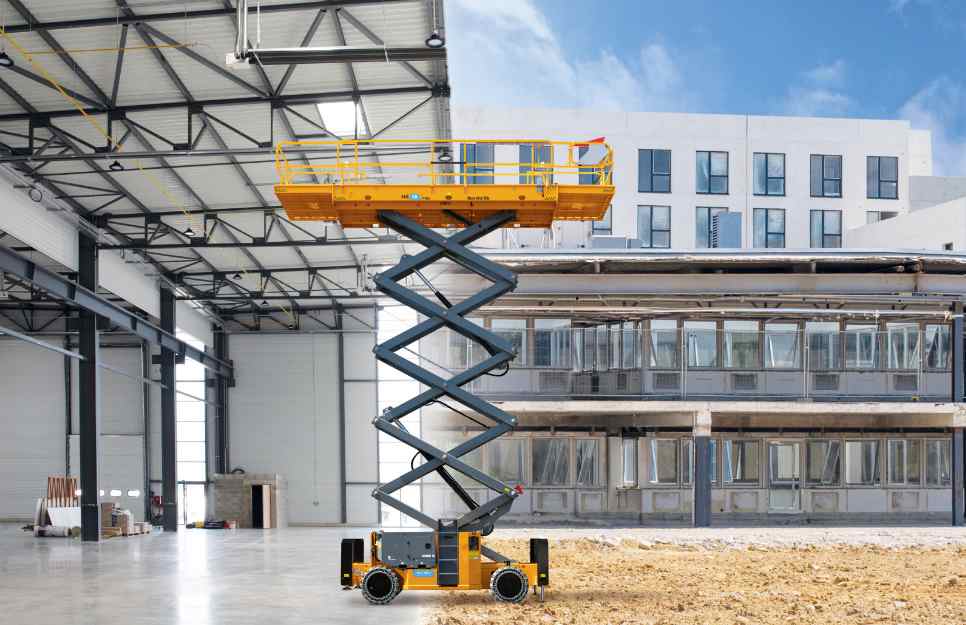
Scissor lifts use linked, folding supports in a crisscross pattern to raise workers and materials straight up. Unlike boom lifts, which can extend sideways at various angles, scissor lifts move purely vertically. Choosing between the primary categories depends heavily on the work environment.
+—————————————————————–+
| SCISSOR LIFT COMPARISON MATRIX |
| |
| Feature Electric Scissor Lifts Rough-Terrain Lifts |
| —————— ———————– ——————– |
| Environment Indoor / Flat Concrete Outdoor / Unpaved |
| Tires Non-Marking Solid Pneumatic / Foam |
| Power Source Battery (Zero Emission) Diesel / Gas / Dual |
| Outriggers Rarely Needed Standard / Auto-Level|
+—————————————————————–+
Electric Scissor Lifts
Designed primarily for indoor applications, electric models feature quiet operation, zero emissions, and non-marking solid rubber tires. Their compact footprint allows them to navigate narrow warehouse aisles, standard doorways, and sensitive floors such as gymnasium hardwoods or polished concrete.
Rough-Terrain Scissor Lifts
Built for outdoor construction sites, rough-terrain units feature heavy-duty tires, higher ground clearance, and powerful combustion engines (diesel or dual-fuel). Many models feature automatic leveling outriggers to stabilize the machine on sloped, muddy, or uneven soil before elevating the platform.
Key Technical Specifications Every Operator Must Check
Selecting the proper lift requires reading beyond basic height labels. Paying close attention to detailed operational limits prevents hazardous overloading and access issues.
1. Working Height vs. Platform Height
It is critical to distinguish between working height and platform height:
- Platform Height: The measurement from the ground to the floor of the elevated platform when fully extended.
- Working Height: Calculated by adding 6 feet (the average reach of a standing worker) to the platform height. If a task requires reaching a ceiling beam at 26 feet, a lift with a 20-foot platform height is usually sufficient.
2. Platform Capacity and Roll-Out Deck Extension
Every platform carries a strict Gross Load Capacity rating. This limit includes the combined weight of the operators, hand tools, bulk materials, and optional equipment mounted on the rails.
- Standard Deck Capacity: Typically ranges between 500 lbs and 1,000 lbs.
- Roll-Out Deck Extension: Most models include a sliding deck extension to reach over low obstacles. Note that the weight capacity on the extended portion is always lower than the main platform capacity.
Pre-Operation Safety and Workplace Hazard Inspection
A thorough inspection before starting every shift identifies mechanical issues and environmental hazards before they turn into incidents.
+——————————————————————-+
| DAILY ELEVATED PLATFORM CHECKLIST |
| |
| [ Visual Walkaround ] ──► [ Function Check ] ──► [ Site Inspection ]|
| │ │ │ |
| ▼ ▼ ▼ |
| Check hydraulics, Test emergency stop, Inspect overhead |
| tires & guardrails. drive & lift controls. wires & floor pits. |
+——————————————————————-+
Step 1: Visual Walkaround Inspection
Inspect the base, scissor arms, and platform for signs of wear or structural damage:
- Check hydraulic lines and cylinders for fluid leaks or pressure drops.
- Inspect tires for gouges, debris, or proper inflation pressure (on pneumatic models).
- Ensure entry gates, chains, and mid-rails open, close, and latch correctly.
- Verify that safety decals, capacity charts, and operator manuals are present inside the cab tote.
Step 2: Operational and Control Testing
Test all function controls from the ground control panel before stepping onto the platform:
- Verify that the emergency lowering valve functions properly without main battery power.
- Raise and lower the platform a short distance from the ground panel to ensure smooth arm travel.
- Step onto the platform, attach your safety lanyard, and test the joystick controls, steering response, and horn.
Step 3: Jobsite Hazard Assessment
Scan the working area for environmental dangers before driving the machine into position:
- Overhead Clearance: Maintain a minimum distance of 10 feet from power lines or energized electrical conductors.
- Ground Stability: Identify uncompacted soil, floor grates, slope angles exceeding manufacturer limits, or hidden drop-offs.
- Ventilation: Verify proper airflow when operating combustion engine models indoors to prevent carbon monoxide buildup.
Essential Safe Driving and Operation Rules
Operating aerial machinery requires constant situational awareness. Following standard operating practices keeps the platform stable while in motion.
Load Management and Distribution
Distribute weight evenly across the platform floor rather than concentrating heavy toolboxes or supplies on one side. Never use ladders, planks, or step stools on top of the platform floor to gain extra working height; keep both feet planted firmly on the deck at all times.
Moving While Elevated
While many modern scissor lifts can drive while fully or partially elevated, doing so requires extreme caution. Only travel elevated on smooth, level concrete surfaces free of debris, bumps, or drainage slopes. Lower the platform completely before traveling across uneven terrain or long distances across a job site.
Weather and Wind Speed Monitoring
Outdoor operations must factor in wind conditions. Standard outdoor scissor lifts are typically rated for maximum wind speeds up to 28 mph (12.5 m/s). Never operate elevated platforms during high wind gusts, heavy rain, lightning storms, or freezing weather that creates icy platform decks.
Summary Inspection Checklist for Daily Operations
- [ ] Fluid Levels: Verify hydraulic oil, battery water levels, and fuel supply.
- [ ] Emergency Stop Buttons: Confirm both ground and platform stop buttons kill power instantly.
- [ ] Guardrails and Latch: Ensure top rails, mid-rails, and toe-boards are free of cracks and latched securely.
- [ ] Ground Conditions: Confirm the operating surface is level, solid, and capable of supporting the machine’s total weight.
- [ ] Overhead Clearances: Check for low pipes, light fixtures, structural beams, and power lines above the work area.