Mineral Processing Solutions and Reagent Plants – The Stuff Nobody Talks About
When people think mining, the picture is usually trucks the size of houses or drills chewing into rock. The less flashy side is what happens after the ore’s out of the ground. Turning raw rock into something valuable is where all the hidden magic (and headaches) live. That’s where you’ll hear engineers talk about mineral processing solutions and, less glamorously, mineral reagent plants.
Why Processing Needs “Solutions” Not Just Machines?
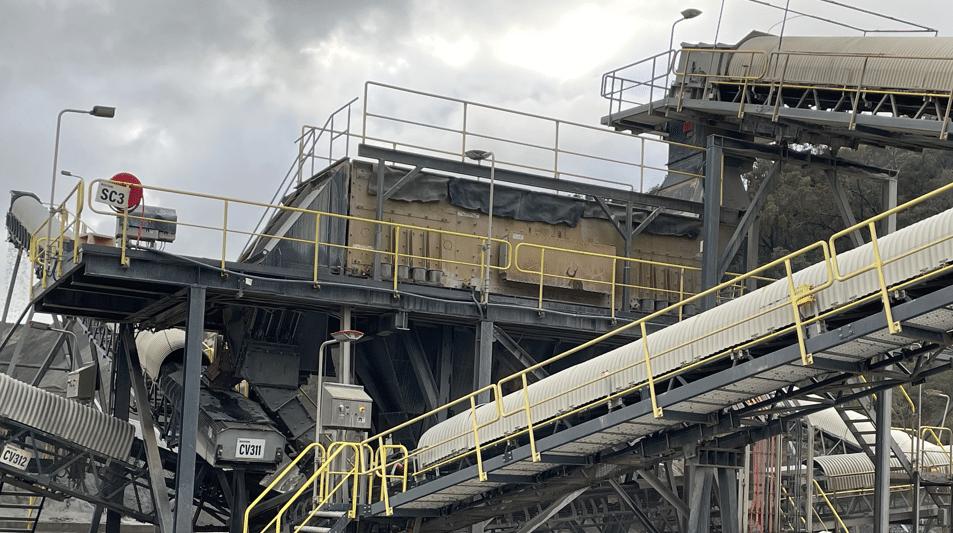
Every ore body is different. What works on one site won’t necessarily work a few hundred kilometres away. “Solutions” in mineral processing basically means it’s never one-size-fits-all. You’re talking crushing, grinding, separation methods, dewatering—the works. Some mines swear by flotation, others rely more on gravity circuits or magnetic separation. And then the water treatment side of things? That alone can turn into a project bigger than the mill itself.
The point is, mineral processing solutions aren’t just about buying the biggest ball mill you can find. It’s about figuring out how to squeeze the metal you want from the rock without spending more than it’s worth.
The Role of Mineral Reagent Plants
Here’s where the average outsider’s eyes glaze over. Reagents. Sounds boring, right? But reagents are the chemicals that actually make separation possible in many cases. Collectors, frothers, depressants—without them, you’re just spinning slurry around.
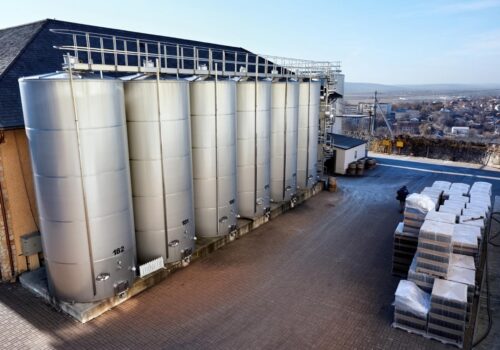
That’s why mineral reagent plants exist: to store, mix, and deliver the right chemical blends safely and reliably. Anyone who’s worked near a flotation circuit knows how touchy it can be. Get the reagent dosage wrong, recovery drops. Use poor quality mixing? Pumps clog, tanks crust up, production grinds to a halt.
It’s not just chemistry; it’s logistics. Plants have to keep bulk chemicals safe, deal with corrosive materials, and make sure the whole system can keep up with whatever the mine throws at it.
Why It’s All Interconnected?
What’s interesting is how often solutions and reagent plants overlap. You can have the best processing equipment in the world, but without properly controlled reagents, you’ll waste metal and money. Flip that around—have great reagents but poor mechanical design—and you’re still in trouble.
So when people talk about modern mineral processing, they’re really talking about the package: equipment + process flowsheet + reagent plants + water management. That’s the real solution, not just a single piece of gear.
The Bigger Picture
There’s also the environmental piece. Regulators want to know not just that you’re producing concentrate, but that your reagents aren’t leaking into waterways, your tailings ponds are stable, and your overall footprint is shrinking. Smart mineral processing solutions usually build compliance into the design from day one, and reagent plants are no exception—they’ve got to be safe and clean, not just functional.